

Understanding the psychology behind gambling why we take risks at casinos
The Thrill of Uncertainty
The thrill of uncertainty is a primary factor that draws individuals to gambling. When players enter a casino, they experience a rush of excitement from not knowing whether they will win or lose. This unpredictability can trigger the release of dopamine in the brain, a chemical associated with pleasure and reward. As a result, the anticipation of potential success creates an adrenaline rush that many find intoxicating, compelling them to take risks they might avoid in other areas of life. For more information, you can visit https://viphive-au.com/, where you’ll find a wealth of gaming options.
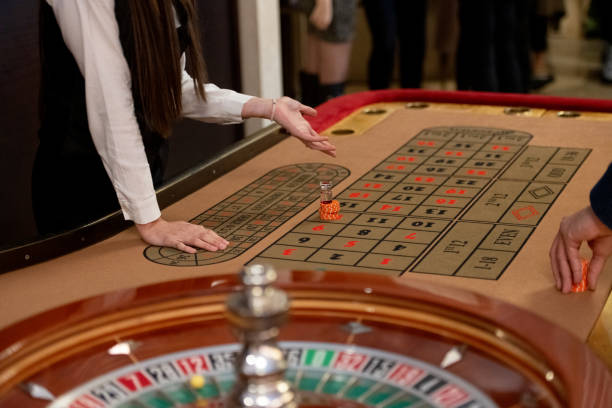
This exhilarating feeling is magnified in environments designed to enhance excitement, such as brightly colored lights and lively sounds that envelop a casino. This atmosphere can reinforce the desire to engage in risky behavior, as players become engrossed in the experience. People often feel a sense of empowerment when they make bold bets, believing they are taking control of their destiny, even when it is often just a matter of chance.
Moreover, the social aspect of gambling should not be overlooked. Being surrounded by fellow gamblers can amplify feelings of camaraderie and shared excitement. This social interaction can lead individuals to place bets they might not consider alone, increasing the likelihood of taking larger risks. The combination of personal thrill and social pressure creates an environment ripe for risk-taking behavior.
Illusions of Control
One fascinating psychological aspect of gambling is the illusion of control. Many gamblers believe they can influence the outcome of random events, particularly in games like poker or sports betting. This belief can lead to riskier bets, as individuals feel empowered by their perceived skill or strategy. Cognitive biases, such as the gambler’s fallacy, further complicate this situation, where players think past results can predict future outcomes, despite the random nature of games.
This illusion can be dangerous. Players may continue to engage in gambling, convinced that they are on the brink of a winning streak. When faced with a series of losses, they might double down on their bets, thinking that a win is imminent. This cognitive dissonance keeps them trapped in a cycle of risk-taking, often leading to financial and emotional distress.
Furthermore, the concept of ‘chasing losses’ often stems from this illusion of control. Gamblers may believe that if they simply keep playing, they can recover their losses, causing them to take increasingly reckless risks. This behavior not only affects their finances but can also impact relationships and personal well-being, leading to a precarious situation that can spiral out of control.
The Role of Rewards and Reinforcement
The psychology behind gambling is also deeply rooted in reward systems and reinforcement. Casinos use various strategies to reward players, such as complimentary drinks, loyalty programs, and jackpots. These rewards stimulate the brain’s pleasure center, encouraging individuals to take risks. The intermittent reward schedule common in gambling—where wins are unpredictable—creates a powerful reinforcement loop that keeps players engaged.
This reinforcement can lead to a heightened sense of excitement and a desire for more play. Players often remember their big wins more vividly than their losses, further motivating them to continue gambling despite the odds. This selective memory reinforces the idea that winning is more achievable than it may actually be, encouraging further risk-taking.
Moreover, the concept of near-misses can significantly influence gambling behavior. When players lose but come close to winning, the brain can interpret this as a sign of potential success, reinforcing the urge to continue playing. This cycle of expectation and partial fulfillment keeps gamblers coming back for more, often leading to increased risks in their betting behaviors.
Societal and Cultural Influences
Societal norms and cultural attitudes towards gambling also play a significant role in the psychology of risk-taking. In some cultures, gambling is viewed as a social activity, a means to bond with friends and family. This normalization can make individuals more likely to engage in gambling activities, often without considering the risks involved. The influence of media, which frequently glamorizes winning and portrays gambling as a thrilling pastime, further contributes to this perception.
Additionally, the accessibility of gambling has increased dramatically, particularly with the advent of online casinos. This convenience allows individuals to gamble from the comfort of their homes, often leading to impulsive decisions without the usual checks and balances present in traditional settings. The reduced barriers to access can result in greater financial risk, as individuals may gamble amounts they would typically reconsider in a public space.
The peer influence in gambling cannot be underestimated either. Friends or family who gamble may inadvertently encourage others to take risks. The desire to fit in or impress peers can lead individuals to gamble more than they initially intended, escalating their risk-taking behavior. Understanding these societal and cultural influences is crucial for promoting responsible gambling practices.
Promoting Responsible Gambling Practices
With the risks associated with gambling well-documented, promoting responsible gambling practices is essential. Educating players about the psychological aspects of gambling can empower them to make informed choices. Information about the odds of different games, the nature of chance, and the importance of setting limits can help players engage more responsibly and reduce the likelihood of problematic behavior.
Furthermore, casinos and online platforms can implement features that encourage responsible gambling. This includes offering tools for players to set limits on their deposits, time spent playing, and losses. By fostering a culture of responsibility, both players and gambling establishments can work together to minimize the harmful effects of risk-taking behavior.
Additionally, resources for help should be readily available for those struggling with gambling addiction. Support groups, hotlines, and counseling services can provide crucial assistance to individuals who recognize they need help. By promoting awareness and access to these resources, the gambling community can better support responsible behaviors and improve overall well-being.

VipHive Casino: A Responsible Gaming Environment
VipHive Casino aims to create an exciting yet responsible gaming environment for players. With a wide array of games and user-friendly features, the platform prioritizes player safety and enjoyment. Offering numerous educational resources on responsible gambling, VipHive ensures that players have the tools they need to make informed choices.
With its emphasis on secure payment options and 24/7 customer support, VipHive Casino provides players with peace of mind. The platform is committed to fostering a community that encourages responsible gambling practices while delivering an exciting gaming experience. By understanding the psychological factors behind gambling, players at VipHive can better navigate their experiences and enjoy the thrill of gaming without the negative consequences.